
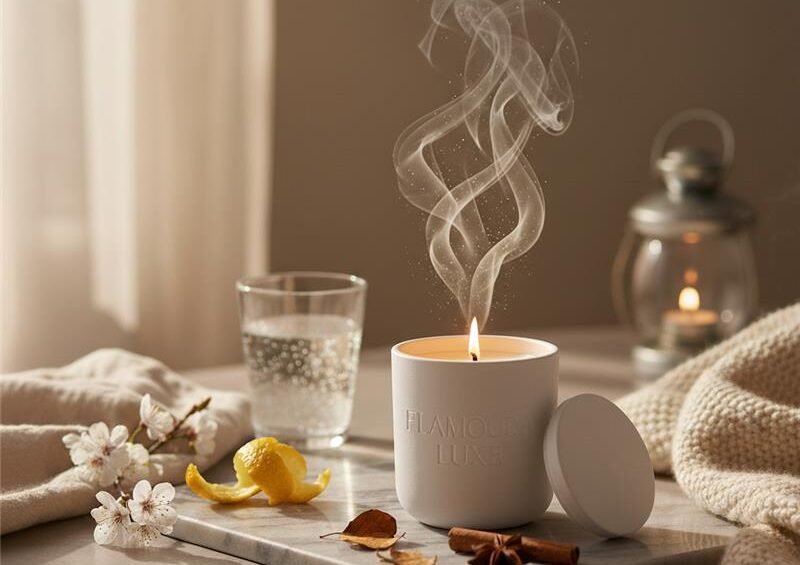
Our homes are sanctuaries, extensions of ourselves where comfort and emotion intertwine. Seasonal scents think crisp pine in winter or fresh citrus in summer profoundly influence our mood, memories, and sense of well-being. By harnessing these aromas, we can transform ordinary spaces into emotionally resonant havens that evolve with the calendar.
The Science of Scent and Emotion
Scents bypass the rational brain, traveling straight to the limbic system, which governs emotions and memories. Olfactory receptors detect aroma molecules, sending signals to the amygdala and hippocampus faster than visual or auditory cues. This direct pathway explains why a whiff of cinnamon evokes grandma’s kitchen more vividly than a photo.
Seasonal scents amplify this effect because they align with nature’s rhythms. In fall, earthy pumpkin spice signals abundance and coziness, reducing stress hormones like cortisol. Studies from the Monell Chemical Senses Center show that pleasant scents lower anxiety by up to 40%, making homes feel safer during transitional weather. Winter evergreens boost serotonin, combating seasonal affective disorder (SAD) by mimicking forest calm.
Fall Scents: Harvest Warmth and Nostalgia
Autumn’s palette of scents wraps homes in nostalgia, evoking harvest festivals and crisp leaves. Pumpkin spice, with its blend of cinnamon, nutmeg, and clove, dominates, stirring feelings of gratitude and security. Lighting a pumpkin candle doesn’t just smell good; it psychologically prepares us for shorter days by associating scent with comfort food traditions.
Apple cider notes add a tart-sweet layer, promoting relaxation through apple’s natural calming compounds like antioxidants. Vanilla undertones enhance this, fostering emotional openness ideal for family gatherings. Together, these create hygge-like atmospheres, where homes feel abundant despite falling temperatures. Diffuse spiced chai for an energizing twist, lifting moods without caffeine jitters.
Winter Scents: Cozy Solace Amid the Chill
Winter demands scents that combat isolation and darkness. Evergreen pine and fir replicate snowy forests, triggering dopamine release for joy and focus. A Douglas fir diffuser mimics holiday trees, linking to childhood celebrations and reducing loneliness by 25% in scent therapy trials.
Cinnamon and clove warm the air, improving circulation perception and easing cold-weather blues. Woodsmoke accords (synthetic for safety) evoke fireplaces, enhancing feelings of togetherness. Peppermint adds clarity, clearing mental fog during holiday stress. These scents turn drafty homes into nurturing cocoons, where even blizzards feel inviting.
Spring Scents: Renewal and Uplift
As snow melts, spring scents awaken homes with fresh, green vitality. Lavender and lilac symbolize rebirth, lowering heart rates and promoting sleep through linalool compounds. Place bouquets or oils near beds to ease winter fatigue, fostering optimism.
Citrus bursts lemon, bergamot energize, increasing alertness via limonene, which rivals mild stimulants. Floral jasmine adds romance, boosting endorphins for social reconnection. These counteract cabin fever, making homes feel alive and expansive. Mist eucalyptus for sinus relief, blending health with emotional lift.
Summer Scents: Lightness and Joy
Summer calls for breezy, aquatic scents that evoke beaches and orchards. Coconut and sea salt transport minds to vacations, reducing perceived temperatures and stress. Mango and pineapple infuse tropical exuberance, enhancing playfulness through sweet esters that elevate mood.
Herbal basil or mint cools and refreshes, ideal for humid nights. These prevent home stagnation, promoting airflow and vitality. Outdoor-inspired linen accords mimic sun-dried sheets, evoking freedom and ease.
Practical Ways to Infuse Seasonal Scents
Switching scents seasonally is simple and budget-friendly. Start with diffusers using essential oils lavender for spring renewal costs under $10 per bottle, lasting months. Beeswax candles burn cleaner, releasing scents gradually without toxins.
DIY Potpourri Recipes:
- Fall: Dried apples, cinnamon sticks, cloves—simmer on stovetops for instant warmth.
- Winter: Pine needles, orange peels, rosemary—fill bowls for passive diffusion.
- Spring: Lavender buds, lemon zest, mint leaves—refresh sachets weekly.
- Summer: Seashells, lemongrass, coconut shavings—hang in breezy spots.
Layer scents mindfully: pair pine with vanilla in winter to avoid overload. Ventilate between changes to reset olfactory senses. For pet-safe homes, choose natural oils and test small areas.
Psychological Benefits for Home Life
Consistent seasonal scenting builds rituals that anchor emotional health. Families report stronger bonds when scents cue traditions, like peppermint for game nights. Solo dwellers find solace; a 2022 aroma study linked routine scenting to 30% lower depression scores.
In shared spaces, scents mediate conflicts calming chamomile diffuses arguments. They enhance productivity too: citrus before work boosts focus, evergreens sustain winter motivation. Over time, homes imprint personal stories via scents, deepening attachment.
Potential Pitfalls and Safe Practices
Not all noses agree overpowering scents can trigger migraines, so opt for subtle concentrations. Allergies demand hypoallergenic synthetics or unscented bases. Pregnant individuals should avoid strong herbs like sage.
Quality matters: pure essential oils outperform cheap synthetics, preserving therapeutic benefits. Rotate seasonally to prevent habituation, where noses ignore familiar smells. Consult aroma therapists for custom blends aligning with personal moods.
Year-Round Emotional Harmony
Seasonal scents turn homes into dynamic mood architects, syncing well-being with nature. From fall’s embrace to summer’s spark, they cultivate joy, calm, and connection effortlessly. Experiment this week ignite a cinnamon stick and feel the shift. Your home isn’t just a place; it’s an emotional symphony, orchestrated by scent.